So let's get into what's really going on here. The social forces, the attachment stuff, the lifestyle piece, and what a genuinely good casual dating experience actually looks like when it's done right.
Table of Contents
- What Is Casual Dating, and Why Has It Become So Popular?
- The Psychology of Casual Dating: What Really Draws People In
- How Attachment Styles Shape Casual Dating Preferences
- Autonomy, Freedom, and the Modern Lifestyle Factor
- Casual Dating vs. Traditional Relationships: A Side-by-Side Comparison
- How Technology and Dating Apps Fuel the Casual Dating Boom
- Common Psychological Misconceptions About Casual Dating
- How to Approach Casual Dating in a Healthy, Fulfilling Way
- FAQ: Casual Dating and Psychology
What Is Casual Dating, and Why Has It Become So Popular?
Casual dating is a relationship style where two or more people connect romantically or sexually without the expectations of exclusivity, long-term planning, or the formal labels that come with a traditional relationship. It's caught on because it fits the pace of modern life. People still want connection. They just don't always want to bolt the weight of a "serious relationship" onto every single date.
The reasons run deeper than "people are commitment-phobic now," which is the lazy explanation you hear all the time. Careers demand more mobility than they did a generation ago. And the numbers back this up: the median age of first marriage in the United States has climbed to roughly 30 for men and 28 for women, according to U.S. Census Bureau data. That's a pretty loud signal that people are pushing back the traditional milestones. But pushing them back doesn't mean people stopped wanting romance or physical closeness. It means they're looking for something that doesn't require them to hit pause on their own lives. Casual dating slots right into that gap. Company, intimacy, fun, minus the five-year plan.
That's also why platforms built specifically for this exist. There's real demand for spaces where singles, couples, and LGBTQ+ folks can meet people who are straight-up about wanting something low-pressure. A site like Flirtup lets you sign up, browse profiles, and chat with real singles and couples in your area who are also keeping things casual, which cuts out that agonizing guessing game of "wait, are we looking for the same thing here or not?"
The Psychology of Casual Dating: What Really Draws People In
At its core, the psychology of casual dating comes down to a trade-off: people accept less obligation in exchange for more control over their emotional and physical lives. There's not just one thing driving it, though. Several psychological gears are turning at once, and once you see them, the appeal stops being mysterious.
The Appeal of Novelty and Variety
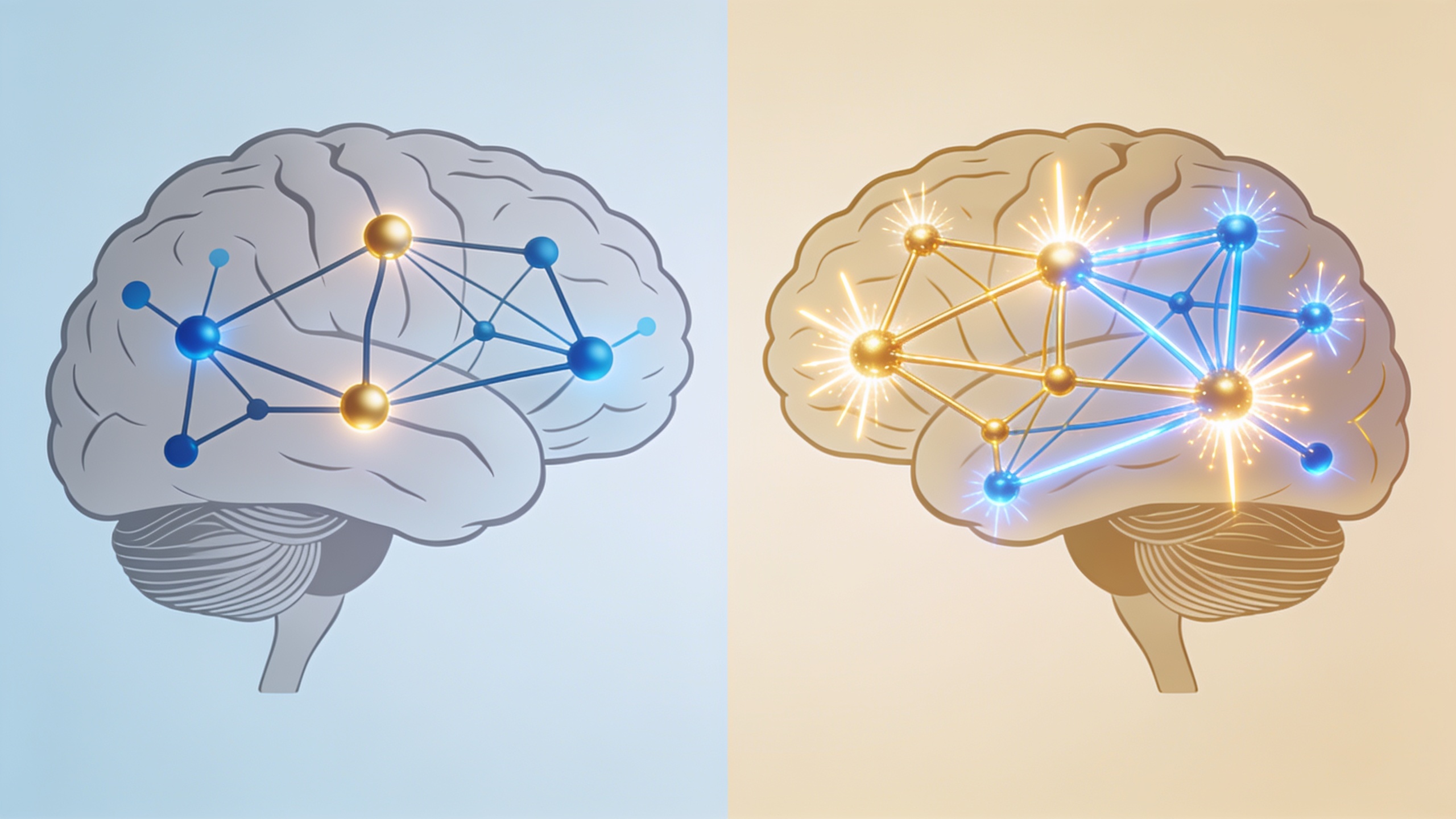
Our brains are basically suckers for novelty. Meeting someone new, that first-date energy, the early spark of attraction, all of it lights up the reward pathways in your brain, the same way any new experience triggers a hit of dopamine. Casual dating lets people chase that feeling again and again instead of settling into the (perfectly nice, but predictable) rhythm of one long-term partner. And I'll say this because it gets missed a lot: for plenty of people this isn't about dodging depth. They just genuinely like the discovery part. The getting-to-know-you part is the point.
Lower Emotional Risk, Higher Perceived Safety
Committed relationships come loaded with stakes. Vulnerability, dependency, the very real possibility of getting your heart flattened when it ends. Casual dating dials that way down. Because everyone's expectations are clearer and lower from the jump, a lot of people feel psychologically safer in casual dynamics. You get to enjoy the closeness while insulating yourself from the deeper gut-punch that comes with a serious relationship falling apart. Is that a little self-protective? Sure. But so is everyone, in one way or another.
Self-Discovery and Identity Exploration
Dating casually gives you room to figure out what you actually want, in a partner, in bed, in the whole shape of a relationship, without staking everything on one high-pressure decision. This matters a lot for younger adults who are still working out their relationship identity. It also matters, maybe even more, for people coming out of a long marriage who suddenly have to rediscover their own preferences after years of being half of a "we." Couples exploring non-traditional dynamics feel this too, and so do LGBTQ+ folks who want a space where they don't have to explain themselves from scratch. That freedom to just explore? People bring it up constantly.
How Attachment Styles Shape Casual Dating Preferences
Your attachment style, meaning the pattern of relating to others you developed early in life and lug around into adulthood, plays a real and measurable role in who's drawn to casual dating and how they experience it. Attachment theory came out of developmental psychology and sorts people into broad styles like secure, anxious, and avoidant. Each one bumps up against low-commitment dating a little differently.
People leaning avoidant often find casual dating downright comfortable, because it keeps the emotional closeness and interdependence, the stuff that can feel suffocating to them, at a manageable distance. They get connection on their own terms. Meanwhile, plenty of securely attached people enjoy casual dating too, just for a totally different reason: they're confident and don't feel rattled by ambiguity. They don't need constant reassurance to feel fine about where things stand. Anxiously attached folks tend to have the roughest time with it, since not knowing where a partner's head is at can crank up real distress for this group. That's a pattern widely cited across relationship psychology literature.
The point here isn't that casual dating "belongs" to one attachment type. It's that everybody drags their existing wiring into these situations, and knowing your own wiring is usually what decides whether the whole thing feels freeing and fun or just anxious and confusing. Self-awareness does a lot of heavy lifting.
Autonomy, Freedom, and the Modern Lifestyle Factor
Autonomy, the basic psychological need to feel in charge of your own time and choices, is probably the single biggest engine behind why casual dating is having such a moment. Life right now is busier, more mobile, and more individually focused than it was for our parents, and casual dating lines up with that reality way better than old-school courtship timelines ever could.
Careers involve relocation, remote work, schedules that make no sense. A lot of people just don't want to build their personal life around somebody else's five-year plan while they're still constructing their own. Casual dating lets you keep your friendships, your ambitions, your hobbies, your goals, and still have romance and physical connection on the side. Frequent travelers especially get this. If you're booking a spontaneous weekend trip through something like Global Holiday Planner, you're probably not looking to build a shared future with someone waiting back home. You might just want company and fun without the weight of long-distance obligation coloring every decision.
You can hear this in how people talk about their ideal pace, too. Instead of moving in together after a few months or arranging life around a partner's calendar, a lot of casual daters want to keep their schedules (and their sense of self) mostly their own. That's not the same as being incapable of intimacy. It's that they've decided independence is non-negotiable, at least for this chapter. And "at least for this chapter" is doing a lot of quiet work in that sentence.
Casual Dating vs. Traditional Relationships: A Side-by-Side Comparison
Casual dating and traditional committed relationships diverge across a bunch of practical and emotional dimensions, and laying them out side by side makes it easier to see why people pick one path over the other at different points in their lives.
| Factor | Casual Dating | Traditional Relationship |
|---|---|---|
| Level of commitment | Low to flexible, often undefined | High, usually exclusive |
| Communication expectations | Ongoing but lower-pressure | Frequent, often daily |
| Emotional investment | Lighter, though can deepen over time | Deep and expected to grow |
| Future planning | Rarely discussed early on | Often central to the relationship |
| Freedom/autonomy | High — partners maintain independent lives | Lower — schedules and decisions are shared |
| Best suited for | People prioritizing flexibility, exploration, or fun | People seeking long-term partnership and stability |
| Common concerns | Mismatched expectations, less emotional security | Loss of independence, higher stakes if it ends |
Neither one is inherently "better," despite what your most opinionated friend might insist. They just serve different psychological needs at different stages. Somebody rebuilding their confidence after a divorce might crave the low pressure of casual dating, while somebody actively trying to start a family will probably want the stability of a committed one. The thing that actually matters in both cases is alignment, whether what you genuinely want matches the structure you've chosen. Because honestly? It's the mismatches that cause the pain, not the structure itself.
How Technology and Dating Apps Fuel the Casual Dating Boom
Dating apps have made casual dating more accessible, more socially normal, and way easier to find than at any point in modern history. Technology didn't invent the urge for low-commitment connection, obviously. It just knocked down a lot of the logistical and social walls that used to make it a pain.
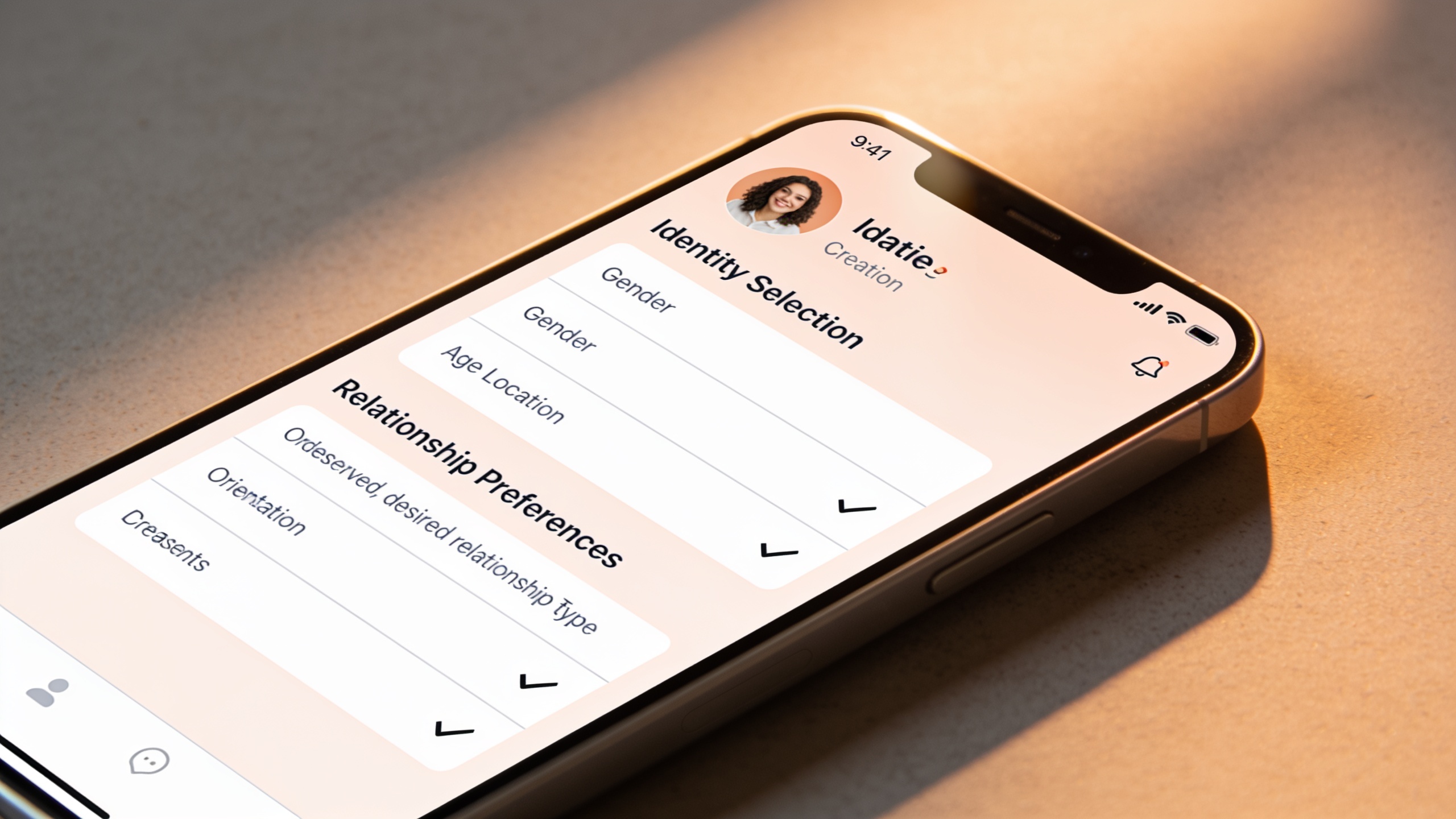
Think about how this worked before apps. Finding someone open to something casual meant relying on your social circle, bars, or dumb luck, and every one of those carried a decent risk of mismatched expectations or a genuinely awkward misfire. Purpose-built platforms flipped that by letting people state what they want upfront. On Flirtup, for instance, users pick their identity and what they're after, including options for individuals, couples, and transgender users, before they ever message anyone. That filters out a huge chunk of the guesswork that used to make casual dating so clumsy to navigate. And this is all pretty mainstream now: according to Pew Research Center's research on dating app usage, a substantial share of U.S. adults have used a dating site or app at some point, which tells you how normal digital dating has become across basically every age group.
The wider tech world around these platforms has grown up, too. The same way dating apps lean on smart matching to connect compatible profiles, other industries lean on similar automation. Tools like RobinRank use AI to help businesses manage content and visibility at scale, which is really the same underlying trend playing out somewhere else: tech is increasingly doing the grunt work of connecting the right people with the right thing, whether that "thing" is a date or a piece of content you're searching for. That broad comfort with algorithm-driven discovery is a big reason people now trust an app to handle introductions that used to only happen through friends or blind chance.
Common Psychological Misconceptions About Casual Dating
Casual dating gets misread constantly, so let's clear up a few of the stubborn myths, because the psychology behind it is a lot more layered than the stereotypes let on.
"Casual Dating Means Avoiding Commitment Forever"
Most people dating casually aren't rejecting commitment. They're rejecting premature commitment, which is a very different thing. Casual dating can be a phase, a preference for one specific season of life, or just where someone's comfort level sits right now. Some casual connections quietly grow into something serious. Others stay exactly as casual as intended. And here's the part people miss: both of those count as success in a casual mindset, because escalation was never the promised destination.
"People Who Prefer Casual Dating Are Emotionally Unavailable"
Attachment style plays a role, yeah, but preferring casual dating does not automatically mean someone can't bond. Loads of emotionally healthy, self-aware people choose it simply because it fits where their life is at, a brutal career stretch, a recent move, or a stretch of wanting to focus on themselves before tangling their life up with someone else's. That's not avoidance. That's just decent self-knowledge.
"Casual Dating Is Only About Physical Connection"
Physical attraction is often part of the picture, sure. But conversation, laughter, real companionship, and actual emotional connection matter just as much to a lot of people using these platforms. Couples exploring non-traditional dynamics, for example, are usually after shared experiences and genuine chemistry, not some stripped-down physical encounter with zero personal spark. Reducing all of it to sex misses most of what's actually happening.
How to Approach Casual Dating in a Healthy, Fulfilling Way
The best casual dating experiences come from clear communication, honest self-awareness, and realistic expectations set early. They don't come from dodging the awkward conversations about what everyone actually wants. Casual doesn't mean careless, and weirdly enough, satisfying low-commitment connections lean pretty heavily on clarity.
Start by being honest with yourself before you ever start chatting with matches. Are you after fun and variety? A way to meet people while your schedule stays loose? A low-stakes way to explore what you like? Once you know, say it plainly to the people you meet instead of hoping they'll just intuit it. On a platform like Flirtup, where you specify your identity and what you're looking for, whether that's a man, woman, couple, or transgender partner, that clarity is baked into the sign-up process itself, so a lot of the early guesswork is already handled.
Check in with yourself now and then, too. Feelings can shift even inside a casual setup, and psychological research on relationship satisfaction consistently shows that regular, honest communication cuts down on misunderstandings no matter how a relationship is structured. If a casual thing starts wanting to become something more, for you or for them, just say so. Naming it out loud beats letting mismatched expectations pile up silently in the corner until they explode.
And respect boundaries, including your own. Casual dating works best when everyone treats each other with the same basic consideration they'd want anywhere else: honesty about intentions, respect for people's time, a little kindness when things naturally fizzle out. That mutual respect is usually the whole difference between a good casual experience and one that leaves somebody feeling used or confused. It's not complicated. It's just easy to skip when you tell yourself "it's only casual."
FAQ: Casual Dating and Psychology
Is casual dating actually healthy, psychologically speaking?
For a lot of people, yeah. It can support autonomy, self-discovery, and social connection without the weight of long-term commitment, as long as both people are honest about their intentions and keep tabs on their own feelings. The trouble usually doesn't come from the casual structure itself. It comes from mismatched expectations or nobody communicating.
Why are so many people choosing casual dating over serious relationships right now?
A pile of things at once: later marriage ages, busier careers, more mobility, and a stronger cultural emphasis on personal autonomy. People increasingly want connection and intimacy without hitting pause on their independence, and casual dating happens to fit both at the same time.
Can casual dating turn into a serious relationship?
It can, and it does for some couples. But it's not guaranteed, and it shouldn't be treated as the "real goal" secretly hiding under every casual connection. Some casual relationships stay exactly as casual as intended, and that's a perfectly valid ending, not a failed one.
Does your attachment style change how you experience casual dating?
Definitely. More avoidant people tend to feel comfortable with the reduced closeness casual dating offers, while more anxious people often struggle with the ambiguity. Knowing your own patterns can make the whole thing feel a lot less stressful.
How do I know if casual dating is right for me?
It tends to suit people who value flexibility, are heads-down on personal or career goals, or just aren't ready for the depth of something committed right now. If you notice yourself craving more structure, exclusivity, or long-term planning, that's a decent sign a traditional relationship might be a better fit for you. And realizing that about yourself is completely normal, at any age.
Casual dating's rise really isn't a mystery once you look at what's underneath it. It's a pretty logical response to busier lives, later milestones, and a culture that puts a higher premium on personal freedom than it used to. Whether you're brand new to it or you've been dating this way for years, the healthiest version always circles back to the same simple idea: know what you want, say it plainly, and give people the same respect you'd want back.
🔥 Looking for casual dating near you? 💕 Meet new people, chat, and make real connections today! 📍
👉 Tap the link to get started and see who's nearby! ❤️
Sponsored | Affiliate Link 🔗